May 19, 2026
Installing a new fence is one of the most effective ways to improve privacy, security, and curb appeal for a residential or commercial property. A professionally installed fence can define property lines, create safer outdoor spaces, and enhance the overall appearance of a landscape. While experienced fencing contractors handle the construction and installation process, proper preparation beforehand can help the project move more efficiently and reduce potential delays.
Preparing for a fence installation involves more than simply selecting a fence style. Property owners should take time to evaluate their yard, understand local requirements, communicate with neighbors, and make the installation area accessible. Thoughtful planning helps ensure a smoother experience from the initial consultation through the final walkthrough.
Whether installing a decorative fence, a privacy fence, or a security barrier, understanding how to prepare ahead of time can help maximize the success of the project and protect the investment for years to come.
Understand the Purpose of Your Fence
Before installation begins, it is important to clearly define the purpose of the fence. Different fencing materials and designs are suited for different goals, and understanding these priorities can help guide decisions throughout the project.
Some property owners want a fence primarily for privacy, while others prioritize security, pet containment, or visual appeal. Decorative fencing may focus more on style and curb appeal, while taller privacy fences emphasize seclusion and noise reduction. Commercial properties may require durable security fencing capable of withstanding heavy use and environmental exposure.
Discussing the intended purpose with a professional fence contractor helps ensure the selected materials, height, and layout align with the property’s needs. Establishing clear goals early in the planning process can also help avoid costly design changes later.
Confirm Property Boundaries
Accurately identifying property boundaries is one of the most important steps in preparing for fence installation. Installing a fence beyond the legal property line can create disputes with neighbors and may require costly adjustments or removal.
If property lines are unclear, property owners may benefit from reviewing a recent land survey or hiring a professional surveyor before installation begins. Survey markers can help fencing contractors position the fence correctly and avoid encroaching on adjacent properties.
Clearly established boundaries also help ensure the fence design aligns properly with landscaping, driveways, utility easements, and other outdoor features. Taking time to verify property lines before installation reduces the risk of misunderstandings and legal complications later.
Choose the Right Fence Material
Selecting the right fencing material is a major part of preparing for installation. Different materials offer varying levels of durability, maintenance requirements, privacy, and visual appeal.
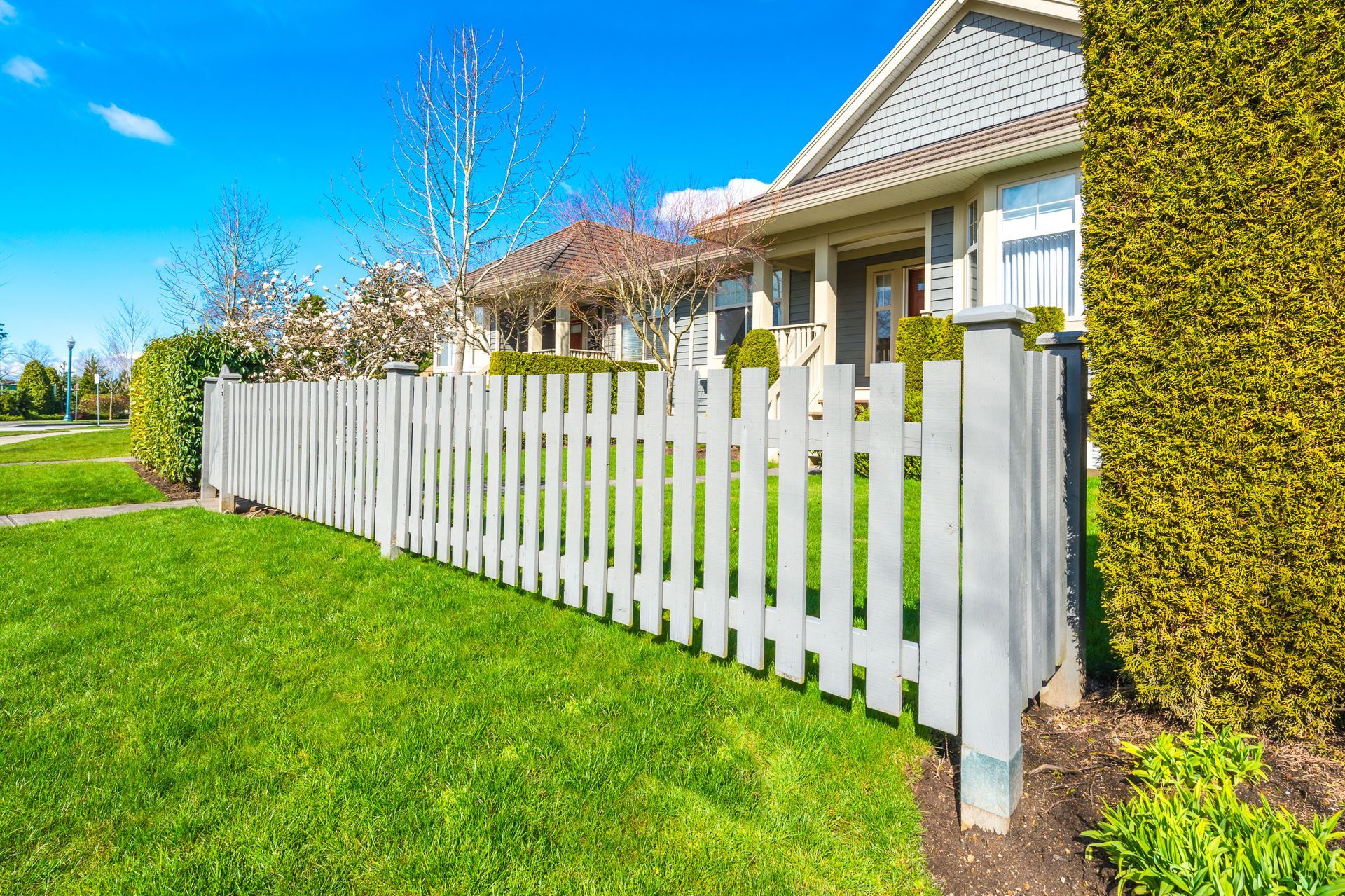
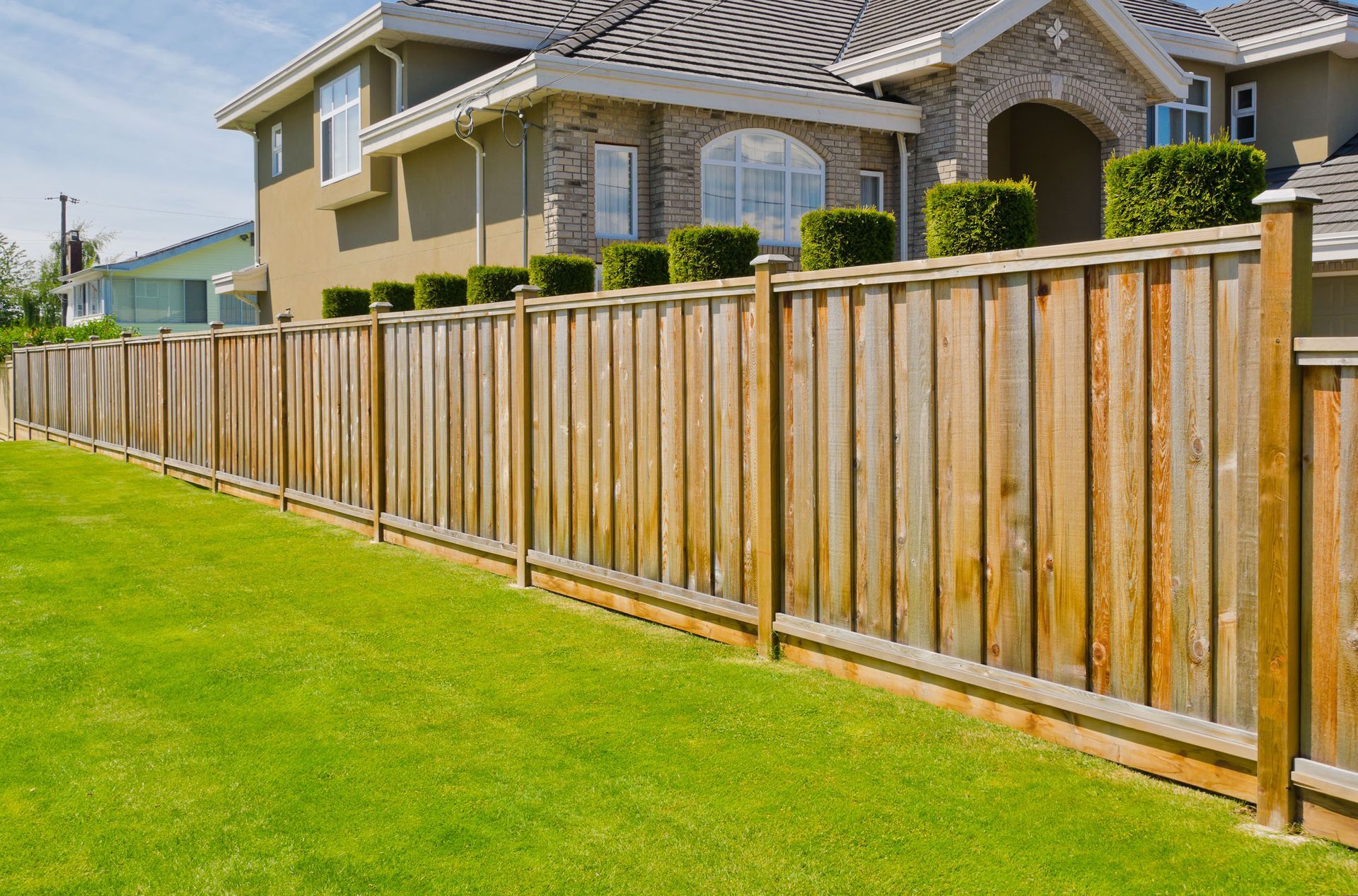
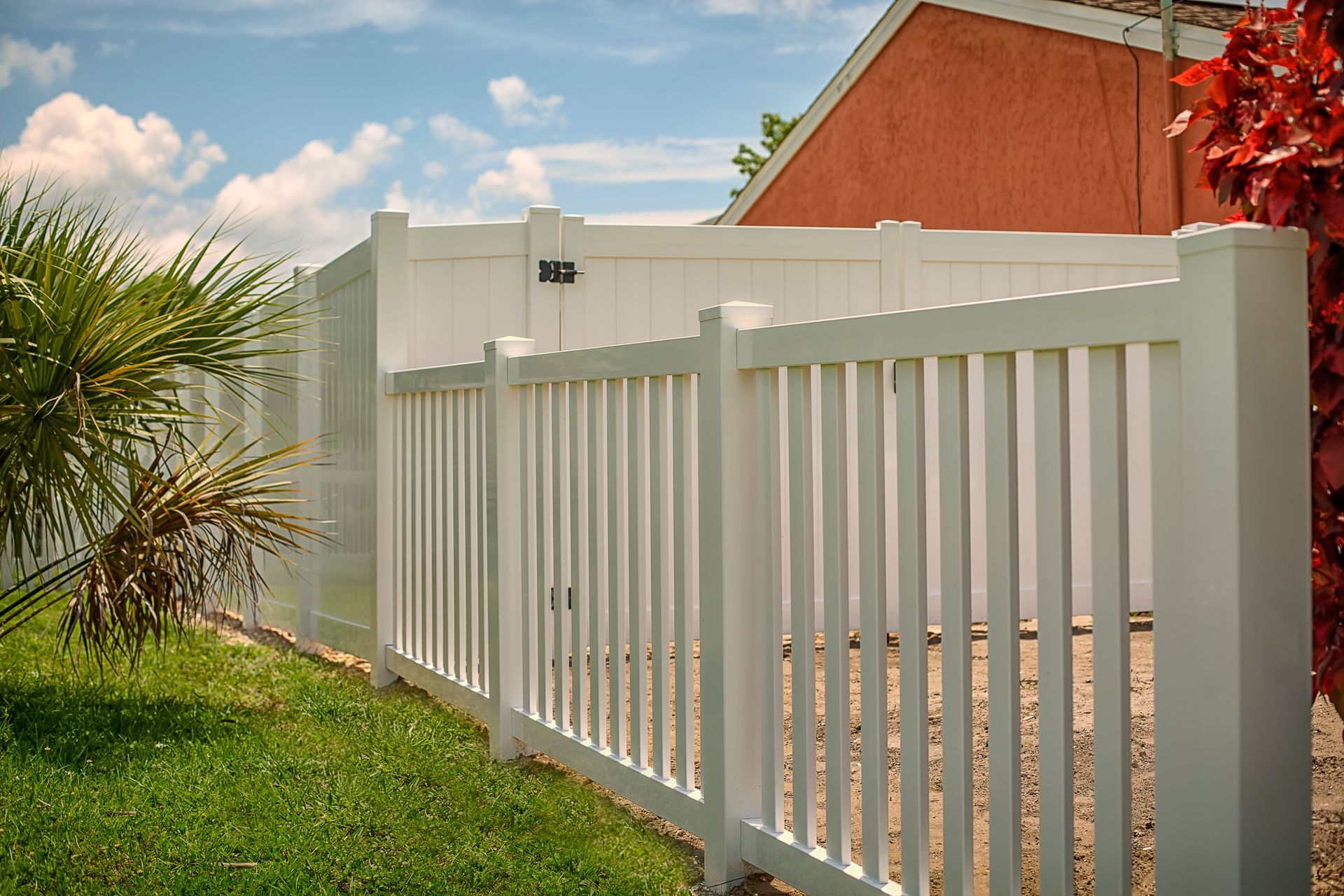
Wood fencing remains a popular choice for its classic appearance and versatility. Vinyl fencing offers low-maintenance durability and resistance to moisture and pests. Aluminum and wrought iron fences provide an elegant appearance while maintaining visibility and security. Chain-link fencing is commonly selected for affordability and functionality.
Climate, property style, maintenance expectations, and budget all influence which material may be most suitable. Professional fence contractors can explain the advantages of each option and recommend solutions that align with the property's long-term needs.
Prepare the Installation Area
Clearing the installation area before the project begins helps fencing crews work more efficiently and safely. Property owners should remove outdoor furniture, decorations, toys, gardening tools, and other movable items located near the fence line.
Low-hanging branches, overgrown shrubs, and excessive vegetation may also need trimming to create adequate workspace. Removing obstacles allows installers easier access to the work area while reducing the risk of accidental damage during construction.
In some situations, landscaping features such as flower beds, retaining walls, or irrigation systems may require temporary protection or adjustment before installation begins. Discussing these concerns with the contractor beforehand helps prevent avoidable complications.
Identify Underground Utilities
Fence installation often requires digging post holes, making underground utility identification a critical safety step. Water lines, gas lines, electrical cables, internet connections, and sprinkler systems may all run beneath the property.
Before excavation begins, utility locating services should mark underground lines to help prevent accidental damage. Striking a buried utility line can create serious safety hazards, service disruptions, and costly repairs.
Professional fence contractors typically coordinate utility marking services as part of the preparation process, but property owners should still identify any private utility systems such as landscape lighting or irrigation lines that may not be included in public utility markings.
Plan for Pets and Children
Fence installation projects involve tools, equipment, construction materials, and open work areas that may pose risks for pets and children. Property owners should plan ahead to keep these areas secure during the installation process.
Pets may need temporary containment indoors or in another section of the yard while fencing crews work. Children should also be kept away from construction zones to avoid injuries or interference with equipment.
Preparing alternative outdoor arrangements ahead of time helps reduce stress and allows contractors to complete the project more efficiently and safely.
Understand the Installation Timeline
Fence installation timelines can vary depending on project size, material availability, weather conditions, and property complexity. Understanding the expected schedule helps property owners prepare for temporary disruptions and coordinate other outdoor projects if necessary.
Some installations may be completed within a few days, while larger or more customized projects could require additional time. In fact, wood and vinyl fences can go up in one to two days, while some metal fences take three to four days to install, according to Fixr. Weather delays are also possible, particularly during periods of heavy rain, extreme heat, or frozen ground conditions.
Discussing the projected timeline with the fencing contractor allows property owners to plan accordingly and maintain realistic expectations throughout the process.
Consider Landscaping Adjustments
Fence installation can affect existing landscaping, particularly if the fence line runs through densely planted areas. Preparing for potential landscaping adjustments ahead of time can help preserve valuable plants and maintain the overall appearance of the yard.
Some shrubs, flowers, or decorative features may need relocation before installation begins. Tree roots or large rocks near the fence line could also influence post placement and installation methods.
Working with the fencing contractor to review the landscape layout helps identify potential challenges and develop solutions that minimize disruption to the surrounding environment.
Prepare Access for Installation Crews
Fence installation crews require access to the property for equipment, materials, and tools. Preparing adequate entry points ahead of time helps prevent unnecessary delays and improves overall efficiency.
Driveways, gates, or side yard entrances should remain accessible throughout the project. Vehicles, trailers, or storage items blocking access routes may need temporary relocation.
In some cases, contractors may require access to electricity or water during installation. Clarifying these needs in advance allows property owners to prepare the site properly before work begins.
Review the Final Design Carefully
Before installation starts, property owners should carefully review the final fence design, including layout, height, gate placement, and material selections. Confirming these details early reduces the likelihood of misunderstandings or costly modifications later.
Gate locations should support convenient access for daily activities such as lawn maintenance, pet access, or equipment storage. Fence height and style should also align with privacy expectations and neighborhood guidelines.
Professional contractors often provide detailed project plans or visual renderings that help property owners understand how the finished fence will look within the landscape.
Schedule a Final Walkthrough
Once the installation is complete, a final walkthrough with the contractor provides an opportunity to inspect the finished project and address any remaining questions. Property owners should review fence alignment, gate operation, hardware installation, and overall workmanship.
This walkthrough also allows contractors to explain recommended maintenance practices, warranty information, and care instructions specific to the fence material. Understanding how to maintain the fence properly helps protect its appearance and structural integrity over time.
Addressing concerns promptly during the final inspection helps ensure satisfaction with the completed project and establishes clear expectations moving forward.
A professionally installed fence can provide years of privacy, security, and curb appeal when the project begins with proper preparation. By working closely with experienced fence installation contractors and understanding the process ahead of time, property owners can help ensure successful results that enhance both the appearance and functionality of their outdoor space. Get in touch with our team at Campanella Fence Inc today!