July 22, 2026
A well-maintained boundary adds security to your property. Homeowners invest significant time into maintaining yards to create a safe space for pets. However, materials degrade over time despite regular upkeep. Exposure to wind, rain, and sunlight breaks down organic materials, leading to structural failures. Recognizing when your structure has reached the end of its lifespan helps you avoid safety hazards. Evaluating your current wood fencing allows you to make informed decisions about property maintenance.
Property owners struggle to differentiate between cosmetic damage and fundamental flaws. A simple discoloration might only require paint, while leaning posts indicate deeper issues beneath the soil. Assessing the condition requires a methodical approach, examining everything from posts to individual panels. Look for clear indicators of deterioration that compromise the integrity of the barrier. The following four signs will help you determine if a complete replacement is necessary.
1. Widespread Rot
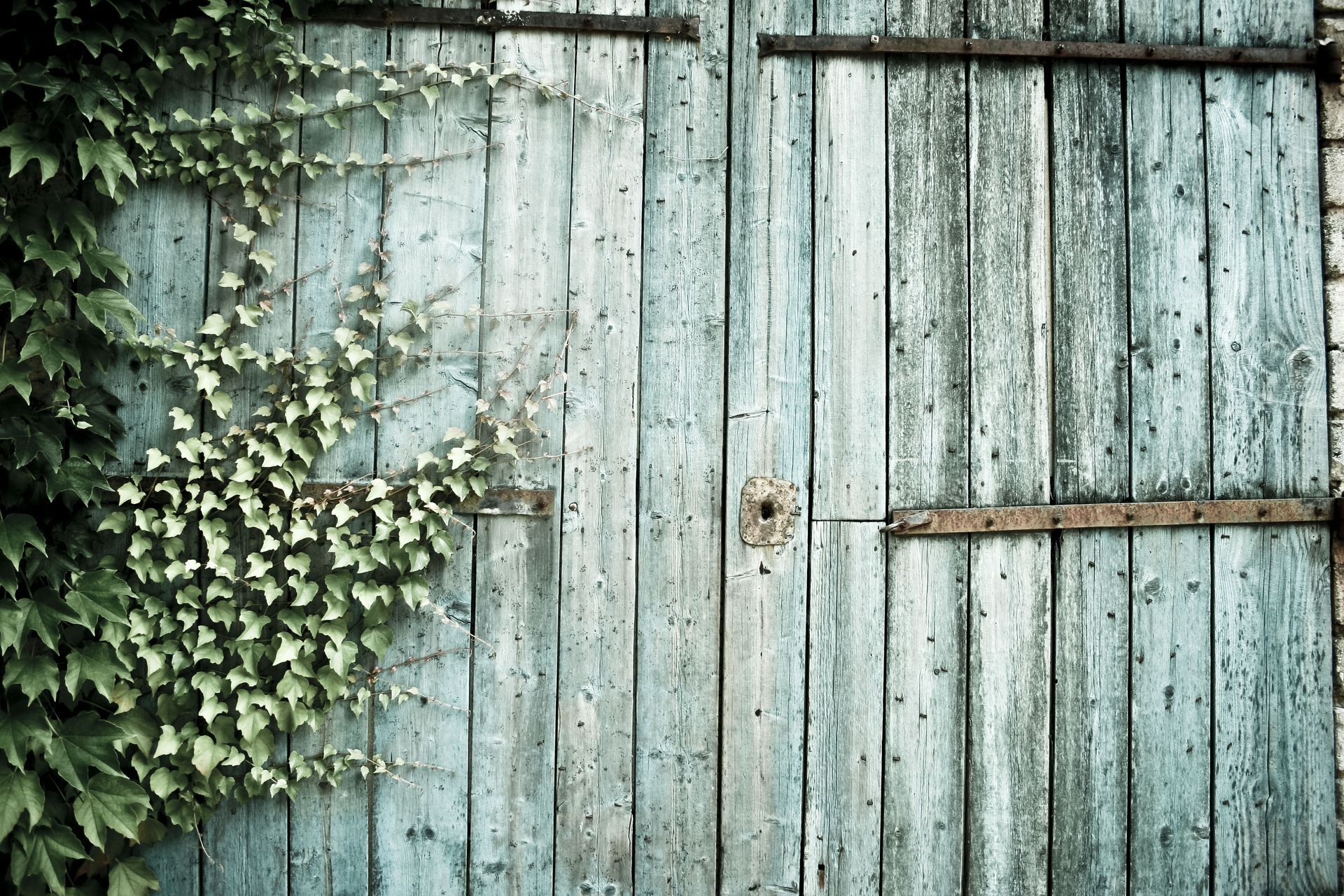
Rot is the primary enemy of outdoor timber structures. When moisture penetrates the seal, fungi consume the cellulose fibers within the boards. This softens the material, making it brittle. You might notice decay near the bottom of the posts where they meet the damp soil. Once rot establishes itself, it spreads rapidly through interconnected boards and rails. Spot treatments fail to solve the problem when decay affects a large percentage of the structure.
You can test for rot using a screwdriver. Press the metal tip into suspected areas along the posts. If the metal sinks into the material, the interior fibers have lost their structural integrity. Dry rot presents differently, leaving the exterior looking dry and crumbling to the touch. Both types of decay severely weaken the barrier and make it susceptible to wind damage. Extensive rot across multiple sections means repairs will cost more than a new installation.
Moisture accumulation accelerates decay during wet seasons. Poor drainage leaves posts submerged in water for extended periods. Even treated materials eventually succumb to constant moisture exposure if the protective chemicals wash away. When you find yourself replacing pickets every few months due to decay, the entire system is failing. Upgrading provides an opportunity to correct underlying drainage issues and select materials designed to withstand local moisture levels.
2. Severe Leaning
A properly installed barrier should stand straight and parallel to your property line. Ground shifts, extreme weather, and settling soil push posts out of alignment over several years. A slight lean in a single post might only require a new concrete footing. However, when entire sections sag toward the ground, the foundational support system has failed entirely. Gravity places immense stress on the remaining upright posts, causing a chain reaction of structural failure.
Look closely at the horizontal rails connecting your posts. These rails bear the weight of the vertical panels and keep the wood fencing aligned. When panels pull away from rails, the fasteners have likely rusted, or the holes have stripped out due to wind pressure. Reattaching heavy panels to failing rails offers only a temporary fix. You'll soon find the panels resting on the grass, inviting pests and moisture damage.
Strong winds expose weaknesses in a sagging structure. A compromised barrier sways visibly during moderate storms, creating a safety hazard for nearby structures. The weight of the leaning sections eventually snaps the posts at the ground level, where they endure the most tension. Replacing the structure ensures you have properly set posts anchored deep within stable concrete. A new installation gives you peace of mind during harsh weather, knowing your property remains secure.
3. Noticeable Insect Damage
Insects pose a relentless threat to outdoor timber. Termites, carpenter ants, and wood-boring beetles view your property boundary as a food source and nesting ground. These pests tunnel through the interior of the posts, leaving the exterior intact. By the time you notice visible insect activity on the surface, the interior damage is often extensive. Structural integrity vanishes as insects hollow out the supportive posts and load-bearing horizontal rails.
Termites leave distinct mud tubes along the base of your posts. They require constant moisture and use these tubes to travel from the soil into the timber. If you break open one of these tubes and see active workers, an infestation is well underway. Carpenter ants excavate smooth galleries to build their nests. You might spot small piles of sawdust at the base of the posts, indicating active ant excavation.
Chemical treatments can eliminate active insect colonies, but they can't restore lost material. Once pests hollow out the panels, the remaining shell lacks the strength to withstand normal environmental stress. Patching insect holes with filler serves only an aesthetic purpose and ignores the severe structural deficit. You must remove infested materials from your property entirely to prevent insects from migrating to your home. Prompt removal protects your remaining landscaping investments.
Trying to salvage a heavily infested barrier results in wasted effort and ongoing pest control expenses. According to Bob Vila, wood fencing typically needs to be replaced every 10 to 20 years. When insects accelerate this timeline, holding onto a compromised structure simply delays the inevitable. Upgrading allows you to install materials treated with modern insect repellents. Proper installation techniques, like keeping panels elevated slightly above the soil, deter future insect colonies.
4. Repeat Repairs
Property maintenance requires a practical assessment of ongoing expenses. You might feel tempted to fix a broken panel to save money in the short term. However, when wood fencing requires attention every season, these small costs accumulate rapidly. Buying hardware, purchasing replacement boards, and spending weekends laboring over patches quickly drain your resources. You eventually reach a tipping point where the cumulative cost of repairs exceeds the price of a complete replacement.
Mismatched panels and patched posts diminish the aesthetic appeal of your yard. After years of replacing individual boards, your boundary begins to look like a patchwork quilt of varying colors. Faded grey boards sit next to freshly installed pine, creating a disjointed and neglected appearance. This lack of visual harmony negatively impacts your property value and curb appeal. Potential buyers view a heavily patched structure as an impending expense rather than an asset.
A new installation provides a comprehensive warranty and eliminates the anxiety of constant upkeep. You gain a cohesive, structurally sound barrier that enhances the beauty of your property. Modern materials and installation techniques offer increased durability compared to older methods. Instead of spending weekends hunting down matching replacement boards, you can enjoy your outdoor space. Investing in a new boundary frees up your time and provides long-term financial predictability for your property budget.
Maintaining a secure property boundary requires vigilance and a willingness to acknowledge when materials have failed. Ignoring rot, leaning posts, insect damage, and escalating repair costs creates larger problems down the road. A compromised barrier fails to provide the privacy you require for your family and pets. Recognizing these four clear signs empowers you to take decisive action before a structural collapse occurs. Timely intervention protects your yard and maintains the visual appeal of your home.
Upgrading your boundary represents a significant but necessary investment in your property. A fresh installation instantly elevates your curb appeal while restoring full functionality to your outdoor living space. You can opt for modern materials that resist decay and pests, ensuring a longer lifespan for your new structure. If you're ready to upgrade your yard, contact Campanella Fence Inc today to schedule your new wood fencing installation.