August 19, 2026
Choosing the right barrier for a home involves balancing overall aesthetic goals, long-term maintenance preferences, and initial budget constraints. Every residential or commercial boundary serves a specific purpose, whether that entails establishing complete backyard privacy, outlining clear boundaries, securing a pool area, or enhancing curb appeal with decorative architecture. Homeowners must carefully weigh how different materials perform under local weather conditions, how much time they wish to spend on routine maintenance, and how the chosen enclosure will integrate with existing landscaping. Comparing traditional timber structures with sleek metal barriers reveals key operational and visual distinctions, helping property owners make an informed investment that delivers lasting value, functional performance, and visual charm for decades to come. Additionally, considering sustainability and environmental impact can also guide the decision-making process when selecting the ideal material.
Evaluate Visual Features and Styles
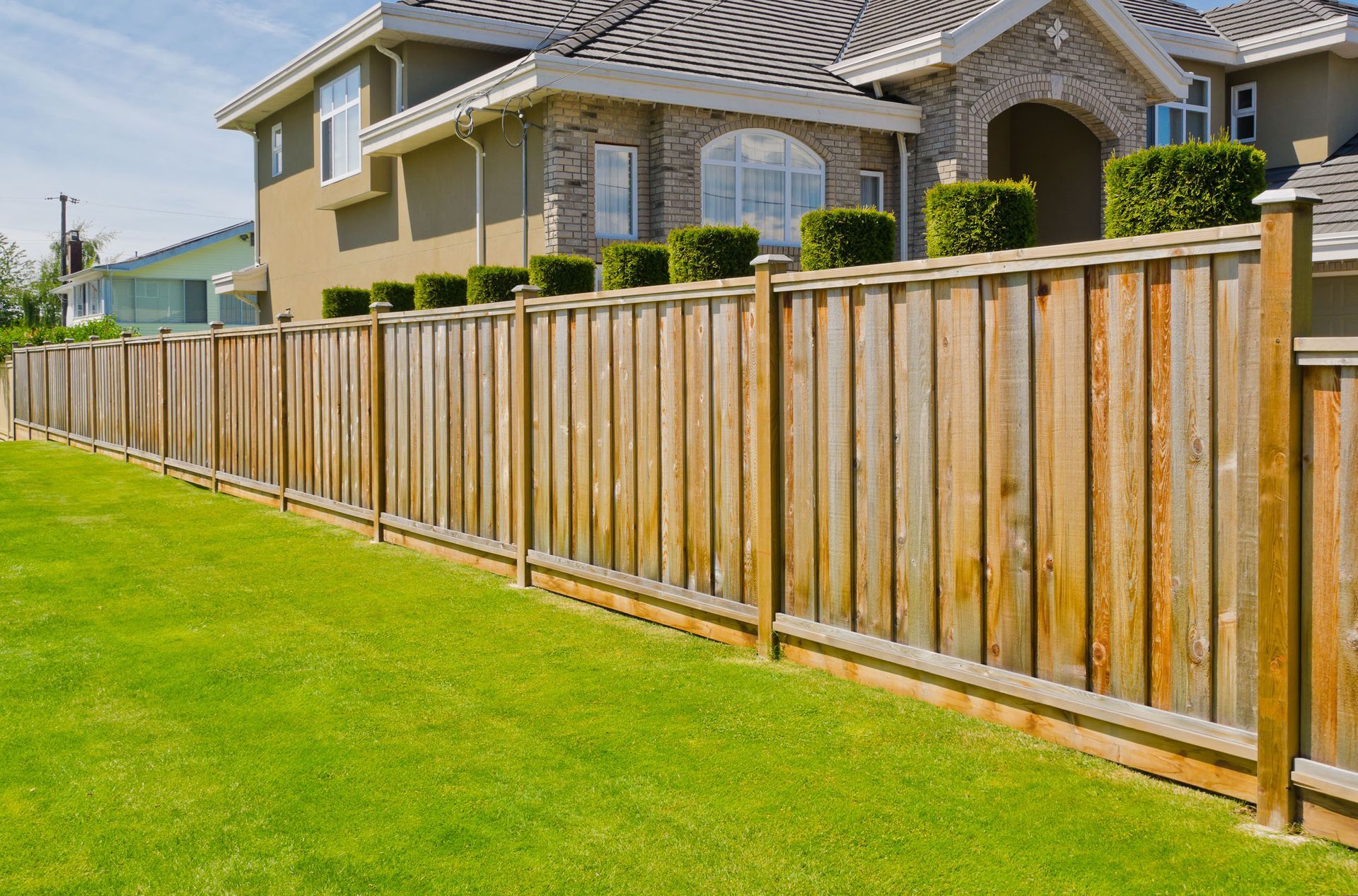
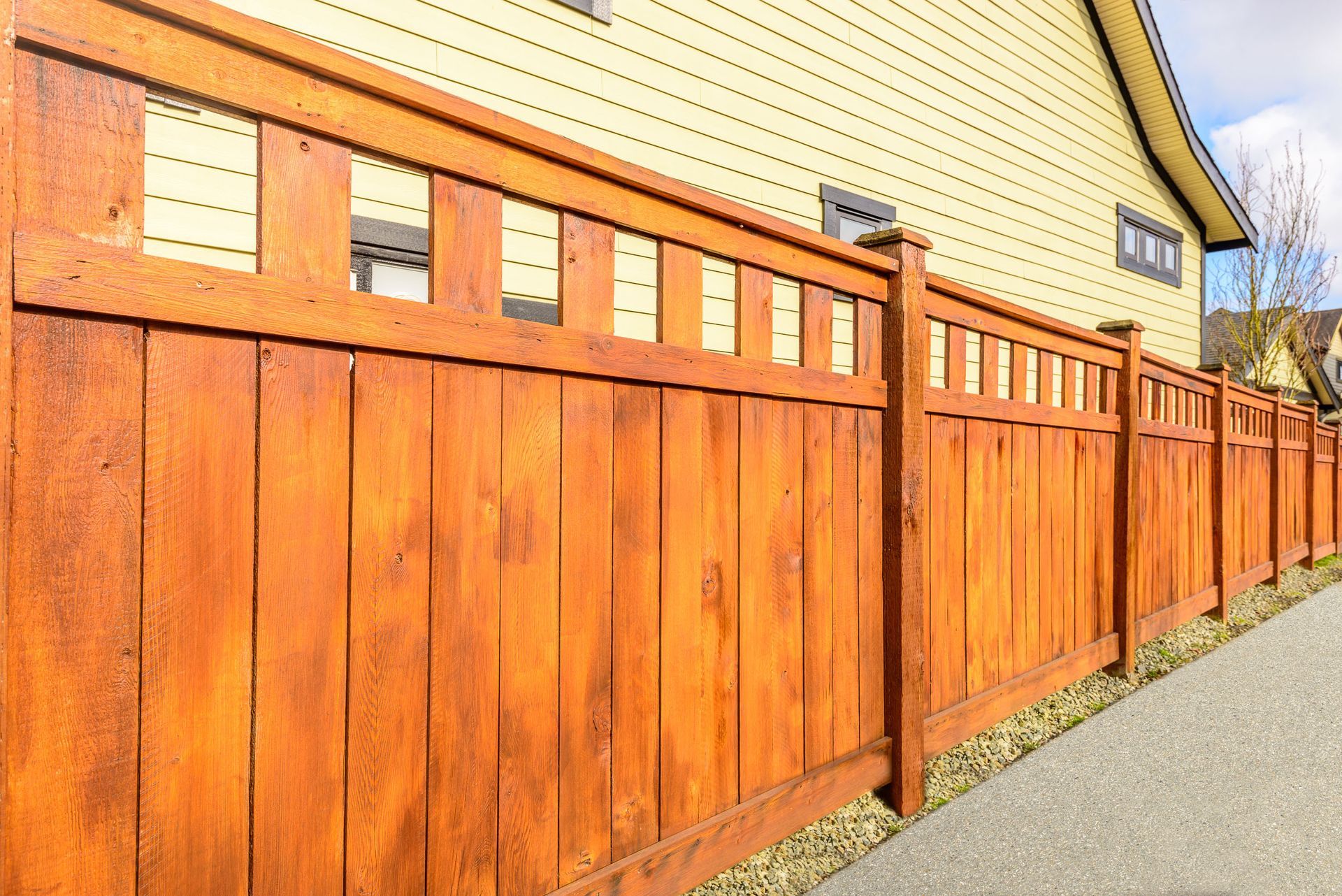
Traditional timber perimeters offer an unmatched natural warmth that seamlessly blends into lush garden landscapes, rolling lawns, and wooded properties. Property owners can easily adapt timber boundaries to match various architectural themes, selecting from classic picket designs, tall board-on-board privacy panels, or rustic split-rail configurations. Custom paints and wood stains provide complete creative freedom, allowing homeowners to update their boundary colors whenever outdoor design trends evolve. However, installing an aluminum fence provides a sleek, modern alternative that mirrors the timeless elegance of classic wrought iron without introducing structural weight or excessive upkeep demands. Powder-coated finishes ensure an aluminum fence maintains clean, crisp lines that highlight surrounding flowerbeds and architectural elements without obstructing scenic views or natural sunlight. Furthermore, the flexibility to mix and match materials, such as combining timber posts with metal pickets, can enhance visual appeal and functional diversity.
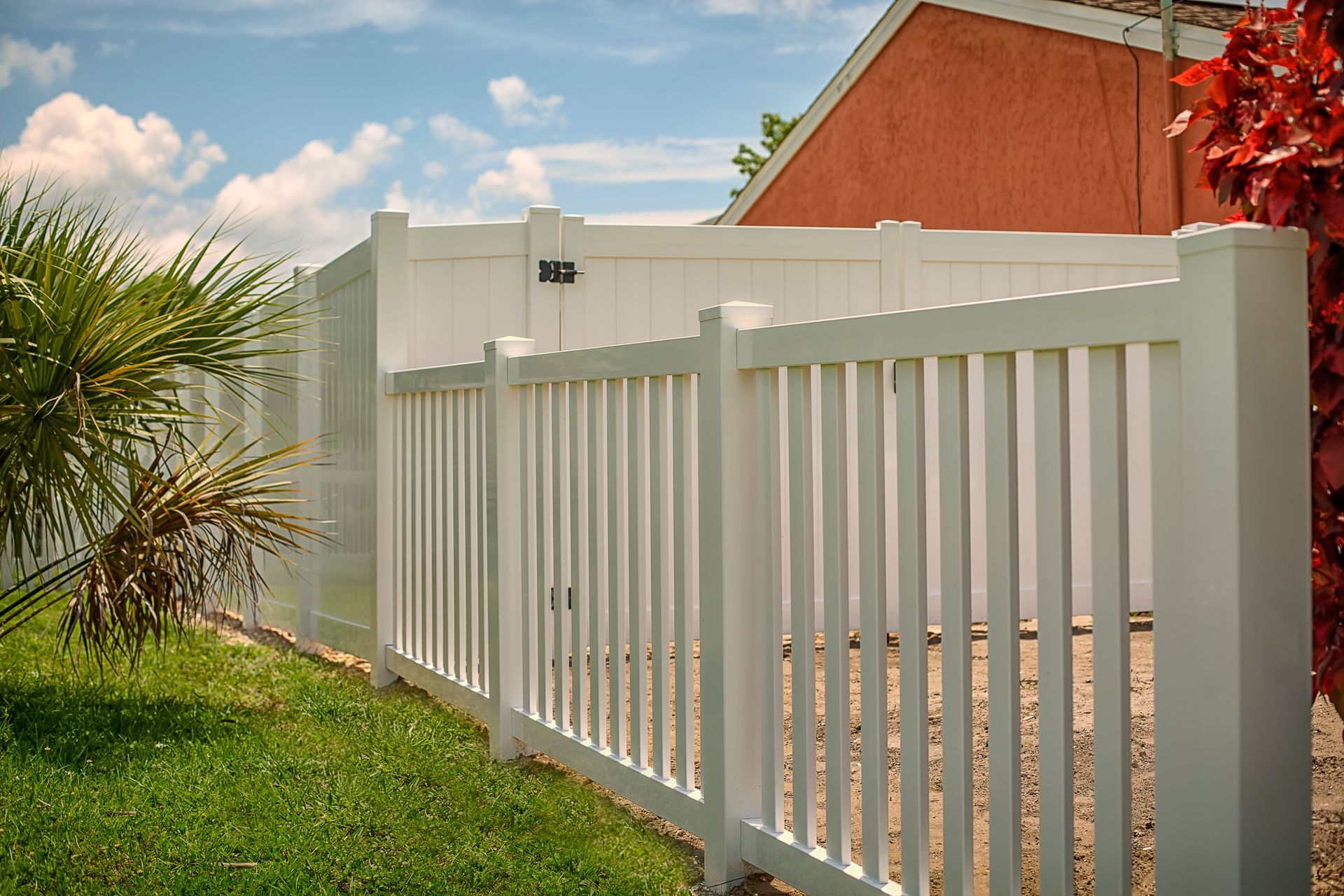
The open pickets of an aluminum fence create a clear sense of boundary while maintaining an airy, spacious feel across the entire yard. This open construction makes metal barriers an excellent choice for properties featuring bold modern architecture, terraced patios, or extensive outdoor living areas. Conversely, solid wood panels excel at blocking unwanted views, creating secluded outdoor sanctuaries free from neighborly sightlines and street noise. Choosing between these distinct visual profiles ultimately depends on whether absolute visual isolation or an open, elegant perimeter best serves the overall design goals of the property. Both materials provide exceptional curb appeal when properly specified, but they achieve their aesthetic impact through entirely different structural designs and visual weight. It's worth considering how seasonal changes in foliage might also affect the perceived privacy and openness provided by different fencing styles.
Measure Long-Term Performance and Care
While traditional timber offers initial warmth and natural beauty, the material demands consistent care to preserve its structural integrity and overall appearance. Organic wood remains inherently susceptible to moisture absorption, continuous sun exposure, seasonal temperature swings, and insect activity over time. Without regular power washing, sanding, sealing, painting, or staining every few years, wooden boards can warp, split, rot, or fade unevenly. Furthermore, damp soil contact around post bases can accelerate ground-level decay, necessitating periodic board replacements or structural post repairs to maintain overall balance and safety across the entire enclosure line. Regular inspections and preventive measures are crucial to identifying potential issues before they escalate into costly repairs.
In contrast, non-ferrous metal barriers offer exceptional resilience against environmental stressors and harsh weather conditions. According to HomeGuide, a fence made from aluminium can last up to 50 years, depending on the climate, soil conditions, and maintenance frequency. Selecting an aluminum fence effectively eliminates the continuous labor associated with scraping, painting, and chemical sealing treatments. Factory-applied powder coatings create a resilient outer shell that guards against flaking, chalking, surface oxidation, and corrosion, even in high-humidity zones. Aside from occasional rinsing with a garden hose to clear away dust or debris, an aluminum fence continues to perform reliably year after year with minimal effort required from property owners. Additionally, aluminum's non-reactive properties make it an excellent choice for coastal areas where salt air can be particularly corrosive to other materials.
Weigh Upfront Costs and Value
Financial planning for a new boundary project requires evaluating both immediate installation costs and long-term maintenance expenses. Traditional timber fencing often presents a lower initial material cost per linear foot, making it an attractive choice for covering expansive property lines on a tighter initial budget. However, homeowners must factor in the ongoing costs of stain, protective sealants, painting supplies, and routine labor over the lifetime of the structure. When calculating the total cost of ownership over two or three decades, the recurring maintenance demands of timber can significantly narrow the initial price gap between different material options. Exploring bulk purchasing discounts or local suppliers can further influence the cost-effectiveness of timber fencing solutions.
Investing in an aluminum fence involves a higher initial material expense, but it delivers outstanding long-term financial value through near-zero maintenance demands. Because metal structures resist rotting, rusting, and severe pest damage, owners avoid the continuous repair expenses and premature replacement cycles common with organic materials. Furthermore, the long service life of a high-quality metal perimeter ensures that the installation remains a permanent asset to the home. Evaluating these short-term outlays alongside long-term performance realities allows property owners to select a boundary solution that fits their current financial plan while protecting their future budget. Considering potential resale value and market trends in fencing can also support the decision to invest in long-lasting, low-maintenance materials.
Analyze Installation Realities and Site Conditions
The physical characteristics of a property play a crucial role in determining which material offers the smoothest installation process. Sloped terrain, uneven ground, and rocky soil conditions present distinct challenges during the layout and post-setting phases. Timber enclosures require precise cutting, custom carpentry, and careful panel alignment on site to handle grade changes effectively. While skilled construction allows wood to follow ground contours through stepping or racking techniques, the labor-intensive assembly of individual pickets, rails, and heavy posts can extend project timelines and increase overall installation labor requirements. Collaborating with experienced professionals ensures that the intricacies of site-specific installation are managed expertly, reducing project delays and errors.
Modern metal boundary systems feature pre-fabricated, lightweight panels designed for efficient, streamlined assembly. Rackable panel designs allow an aluminum fence to follow smooth ground slopes seamlessly without leaving large, unsightly gaps underneath the bottom rail. This modular design simplifies handling, reduces total on-site assembly time, and ensures uniform structural spacing across complex landscapes. Whether installing an enclosure around a flat suburban lawn, a rolling countryside lot, or a secure pool boundary, matching material flexibility to unique ground topography guarantees a strong, visually balanced installation that withstands daily usage and seasonal soil movement. Integrating technological advances such as smart locks or motion sensors can further enhance the boundary's utility and security.
We understand that every residential and commercial property requires a tailored approach to security, boundary definition, and overall curb appeal. Whether selecting warm traditional timber, durable chain-link, low-maintenance vinyl PVC, or installing an
aluminum fence to secure a swimming pool, proper material specification and professional installation techniques remain essential. We specialize in complete fence installations, custom metal gate installation, wood gate installation, fence removal, and expert fence repair service to ensure long-lasting structural strength for your home. Contact Campanella Fence Inc today to discuss your vision, review custom material options, and schedule a professional site consultation with our team. Our commitment to excellence ensures that every boundary solution not only meets your expectations but also adds significant value to your property.